What is Strategic Management? Definition, Process, Types, Advantages, and Disadvantages
Strategic management is the process of planning, monitoring, analysis, and assessment of all necessities an organization needs to meet its aims and objectives.

Three-way matching of vendor invoices is an essential internal control process. Using this process, a company can bypass profit drains from making erroneous, duplicates, or fraudulent payments. It is a method for processing a vendor invoice to ensure that payment is complete and accurate. The primary objective of this process is to save businesses from overspending or paying for an item that they didn’t receive.
Forecasting is a technique for making predictions of the direction of future trends based on the analysis of past and present data. Businesses use forecasting to determine how to allocate their budgets or plan for expected expenses for an upcoming period of time.
s forecasting is an essential business practice. Sales forecasts allow business leaders to make wiser decisions about setting up goals, budgeting, hiring, and other things involving cash flow.
5-S is a system for organizing spaces so work can be performed efficiently, effectively, and safely.
Inventory, also known as stock, represents the goods and materials a business holds for resale, production, or operational use. Understanding inventory is crucial for any business, whether you’re running a manufacturing plant, a retail store, or a service-based company. Understanding Inventory Across Different Industries Manufacturing Industry Inventory In manufacturing, inventory isn’t limited to finished products … Read more
Total productive maintenance or TPM is the process of using machines, equipment, employees and supporting processes to maintain and improve the stability of production and the quality of systems.
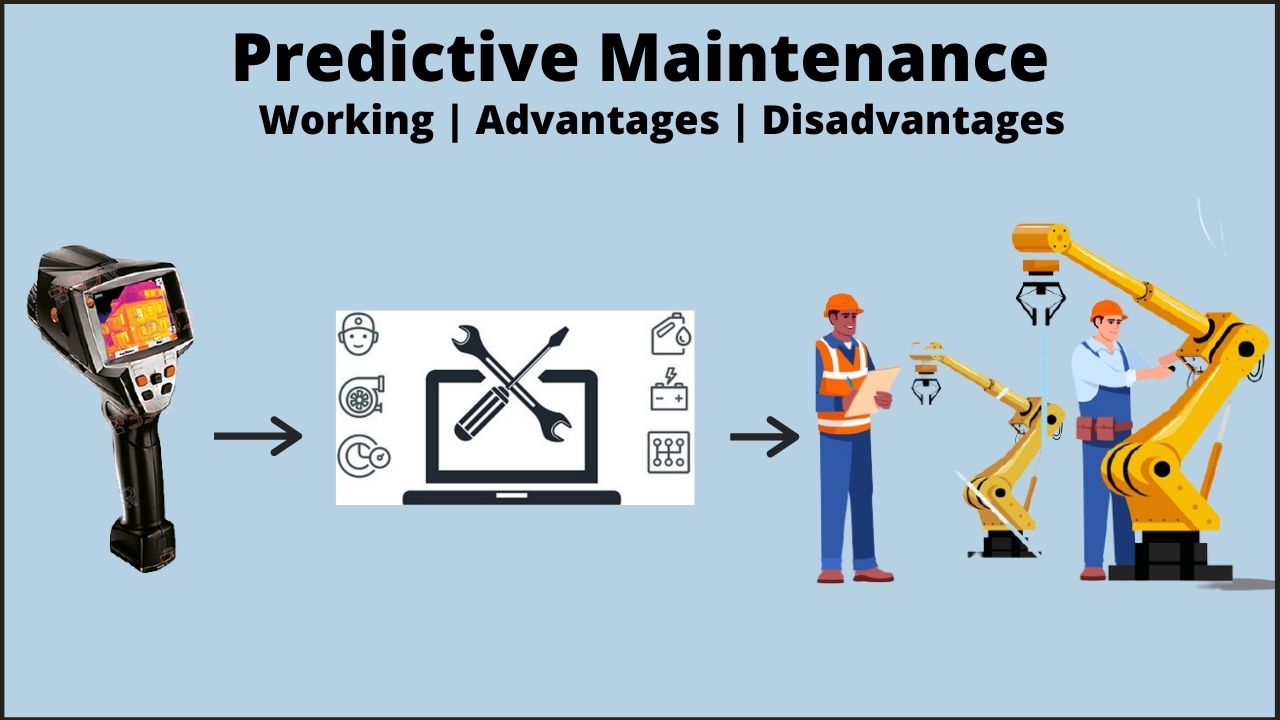
Predictive Maintenance (PdM) refers to the use of data-driven, proactive maintenance methods that analyze the condition of equipment and help to predict when maintenance should be performed.
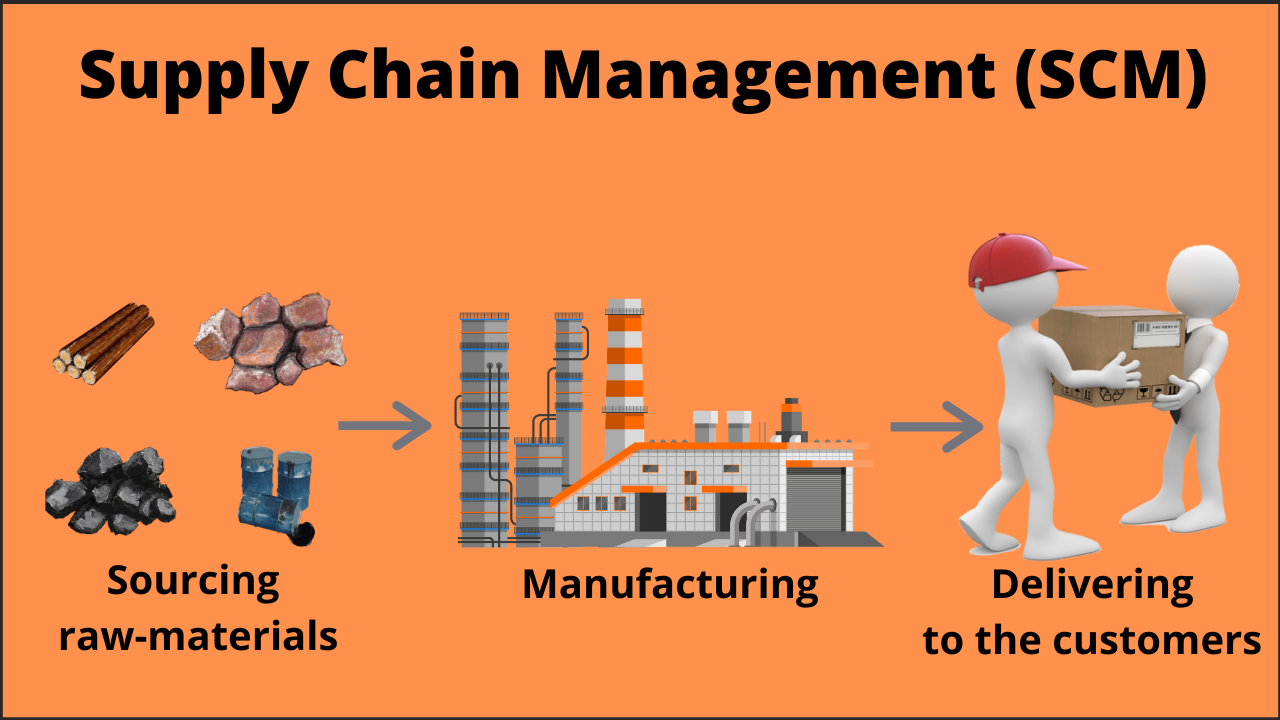
We can define supply chain management as “Design, planning, execution, control, and monitoring of supply chain activities to create net value, building a competitive infrastructure, leveraging worldwide logistics, synchronizing supply with demand and measuring performance globally“. What is Supply Chain? A supply chain is a combined network of individuals, organizations, resources, activities, and technologies involved in the … Read more
The term ‘total’ defines the entire organisation—all parties, departments and functions are involved in quality management. The system refers to the managerial and technological approaches to obtain quality requirements and business objectives throughout an entire organisation.