What is Change Management (PDF inside): Types, Principles & Importance
Change management is the systematic approach which deals with the transition or transformation of different organisational objectives, processes, core values, or technologies.
A stakeholder is a party that has an influence on a company and can either affect or be affected by the organisation. The primary stakeholders in a typical corporation are its investors, employees, consumers, and suppliers. However, with the increasing attention on collective social responsibility, the perception has been extended to include people, governments, and trade unions.
Human resource management is the organizational function that manages all the issues related to the people in an organization. That includes but is not limited to compensation, recruitment, and hiring, operation management, organization development, security, wellness, benefits, employee encouragement, communication, policy administration, and training.
Procurement is a process of acquiring goods and services. Procurement is commonly a part of the input to a company that uses the procured goods or services in the making of their own final product.
Project Management is the process of leading the work of a team to achieve goals and meet the success criteria of an organization at a specified time. The primary challenge of it is to achieve all the project goals within given constraints. The primary constraints are time, budget and scope. The secondary challenge is to optimize the allocation of vital inputs and apply them to meet pre-planned aims.
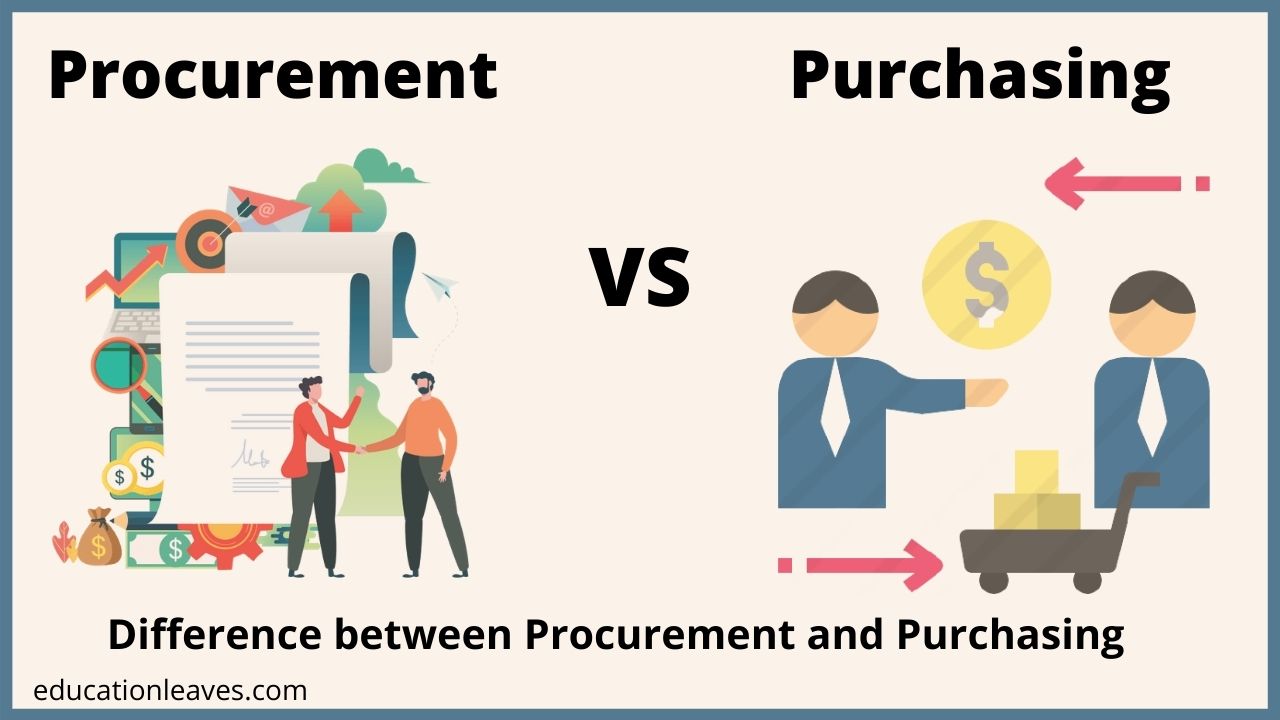
If you ask a layman about procurement vs purchasing, he will tell you that they are one and have the same meaning, but if you ask a purchasing manager he will explain to you how and why there is differences between procurement and purchasing.
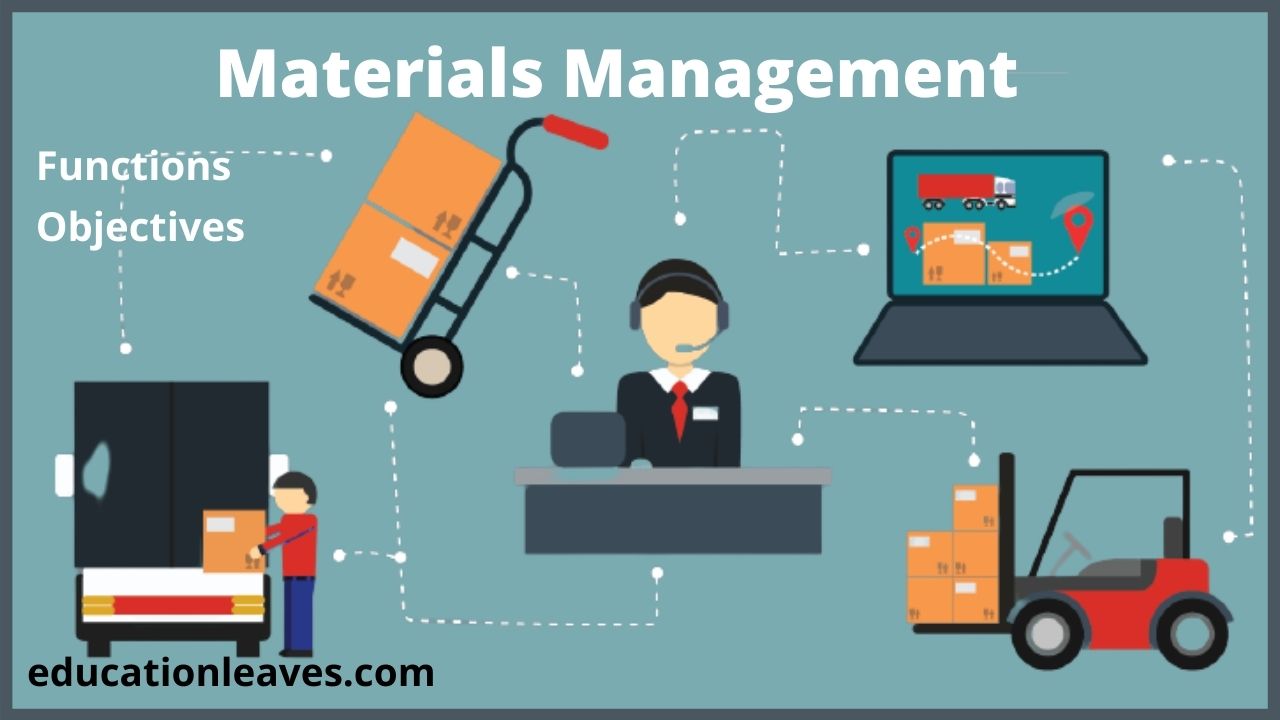
Materials management is important as most manufacturing concerns spend more than 60% of the money they take in, on materials. That means materials soak up a substantial portion of the capital invested in the industry.
The term product life cycle refers to the time period a product is introduced to consumers into the market until it’s removed from the market. The product life cycle is the process almost every product goes through from when it is first introduced into the market until it is removed from the market.
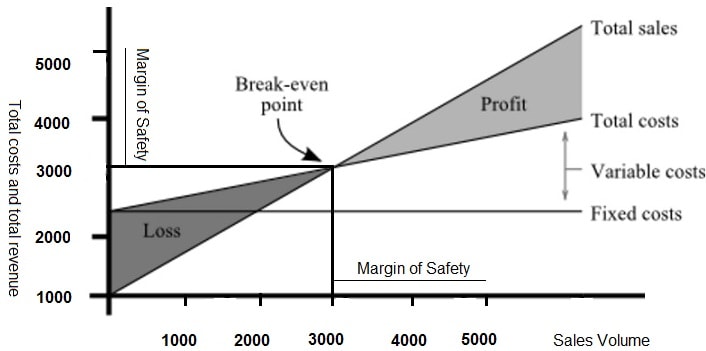
Revenue and cost can be studied by examining the total revenue and total cost of a business. Break-even Analysis implies that at some point in the operations, total revenue has to be equals to the total cost.
A Plant Location is a place, where men, money, material, machinery, etc are brought together for manufacturing products.