Distribution Channel or Channel of Distribution [PDF Included] Definition, Types, Functions, Benefits, and Drawbacks
A route through which a product travels from the production end to the point of consumption is called a distribution channel.

A marketing mix is a set of tools used to promote a product or service in the market. It is also known as the 4Ps (product, price, place, promotion) of a marketing strategy. Using these components, a business can maximize its profit and the chances of its product being recognized by customers.
Enterprise Resource Planning (ERP) is a software-based process used by companies to manage and integrate core operations like finance, HR, supply chain, procurement, supply chain, services, manufacturing, etc.
Manufacturing Resource Planning (MRP II) is a technique for the effective planning of all manufacturing resources of a company. It enables manufacturers to develop a precise production schedule for the future that minimizes expenses and maximizes the utilization of available resources.
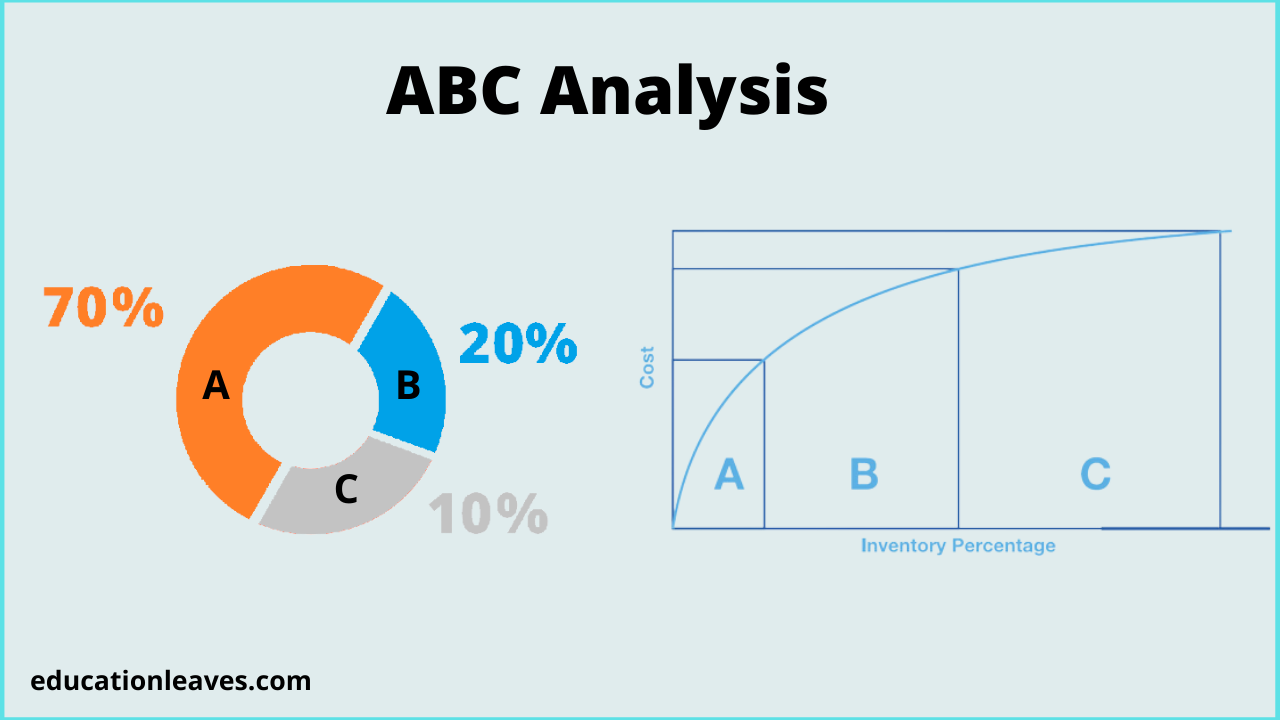
ABC analysis is an inventory management approach that controls the value of inventory items based on their usefulness to the business. ABC usually ranks items on demand, price, and risk data, and inventory managers group items into classes based on those principles so that business leaders can understand which products or services are most crucial to the financial profit of their business.
Asset vs Liability: Any tangible or intangible economic resource that is owned or controlled by an individual, a company, a government or an economic entity for accounting purposes with an expectation to produce positive economic value and benefit in the future, is called an asset.
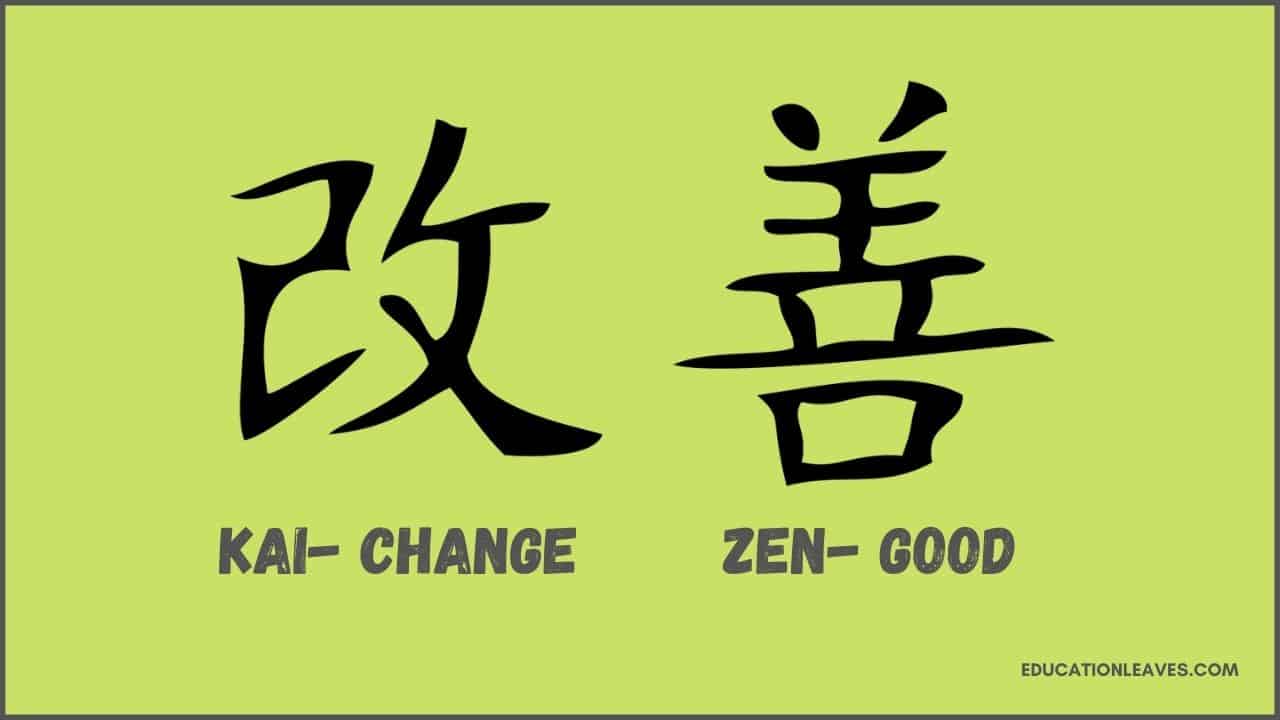
Kaizen is a method of creating continuous improvement based on the idea that small, ongoing, effective changes can reap significant improvements.
Asset management is a system that helps companies to keep a record of all their assets, such as instruments, machinery, and expenses. Keeping tabs on the assets helps streamline operations. The process also reduces the possibility of recording ghost assets, since all the assets are well accounted for.
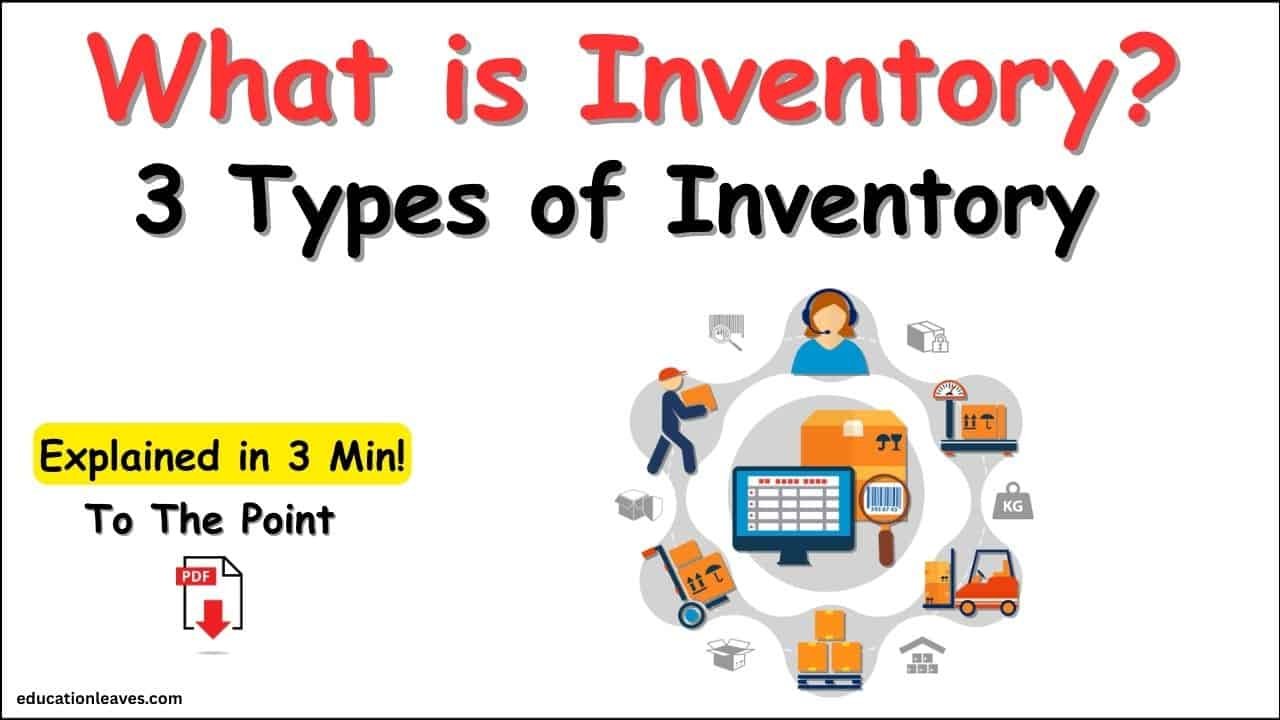
Inventory, also known as stock, represents the goods and materials a business holds for resale, production, or operational use. Understanding inventory is crucial for any business, whether you’re running a manufacturing plant, a retail store, or a service-based company. Understanding Inventory Across Different Industries Manufacturing Industry Inventory In manufacturing, inventory isn’t limited to finished products … Read more
The term product life cycle refers to the time period a product is introduced to consumers into the market until it’s removed from the market. The product life cycle is the process almost every product goes through from when it is first introduced into the market until it is removed from the market.